

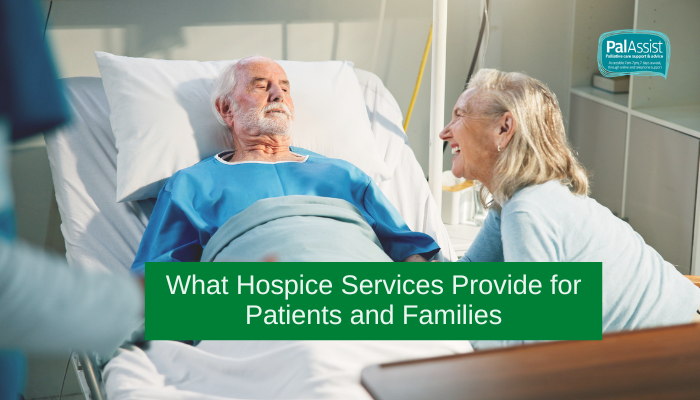
Hospice services provide medical, emotional, and practical support for people living with a life-limiting illness, and for the families beside them. Yet many families go without that support simply because they don’t know it’s available.
That lack of awareness leaves families in crisis longer, with less support and fewer decisions made on their own terms. Services like PalAssist offer free, nurse-led support for Queensland families going through that.
And knowing where to start helps. This article covers what hospice services provide, who delivers them, and how families are supported through end-of-life care. The more you know going in, the better placed you’ll be to make decisions that feel right for your family.
Let’s get into it.
Hospice and Palliative Care: Who It’s For and What It Involves
Palliative care services are available to anyone living with a serious or life-limiting illness. The care covers the physical, emotional, and practical needs of both patients and their families.

Surprisingly enough, it’s commonly mistaken for end-of-life care alone, but doctors can refer patients from the point of diagnosis, even while other medical treatment is ongoing.
Hospice care sits within that broader picture. It’s the form of palliative care that the healthcare team provides when medical care moves away from curing and settles on keeping the patient comfortable. Comfort, dignity, and quality of life take centre stage at this point, with the care team adjusting as the patient’s needs evolve.
And the earlier families understand this, the better placed they are. From what we’ve seen, those who connect early spend less time in crisis and more time focused on the person in front of them.
The Health Professionals Who Deliver Hospice Services
A palliative care team delivers hospice care, and every member has a specific role. Think of it like a relay race; each professional handles one part of your loved one’s care and passes it cleanly to the next.

A typical team looks like this:
Doctors and Nurses
Doctors lead the clinical side. As usual, they run the initial assessment, build the care plan, and update it as things change. Registered nurses then carry that plan into daily life, managing pain, tracking symptoms, and keeping your family informed along the way.
If you’ve ever sat with a loved one at 2 am, managing a sudden symptom change on your own, you’ll know how isolating that feels. In situations like these, your palliative care nurse is the person to call.
Social Workers and Allied Health
Nurses and social workers are not interchangeable. Nurses handle the clinical picture, while social workers focus on the human one. They guide families through care options, help complete documents like advance care directives and government funding applications, and connect carers to local aged care services.
Rounding out the team, allied health professionals support comfort, mobility, and emotional health, completing the full specialist palliative care team.
Pain, Comfort, and What Hospice Care Provides
Hospice care addresses pain and discomfort through a personalised care plan. The team builds that plan around the patient’s specific symptoms and adjusts it regularly as their condition changes. Plus, the plan accounts for the patient’s emotional and spiritual needs throughout their care.
Across all of that, there are three areas the specialist palliative care team focuses on:
- Anticipatory Care Planning: The team doesn’t wait for symptoms to worsen. They anticipate changes and adjust the care plan ahead of time, so the patient is never caught without the right level of support.
- Coordinated Medication Management: When multiple providers manage medications separately, conflicts can go unnoticed. A hospice team brings all of that together, ensuring pain relief stays consistent throughout.
- Non-Medical Comfort Measures: Alongside medication, the team uses physiotherapy, relaxation techniques, and positioning aids to reduce discomfort in ways families can support at home.
And because the care plan adjusts as the patient’s needs change, hospice support works equally well at home, in hospital, and in aged care settings.
Where Hospice Care Happens: Home, Aged Care, and Beyond
In Queensland, end-of-life care is available across a range of settings, including home, hospital, aged care facilities, and dedicated hospice units. The right one depends on where the patient is in their illness.
Many families prefer keeping a loved one at home for as long as possible, and thankfully, home-based palliative care makes that work. For medically stable patients, home visits are available, and private health insurance often covers them.
However, as a patient’s needs become more complex, home care may no longer be enough. At that point, inpatient care becomes the better option. Aged care facilities provide round-the-clock supervision and personal care, while dedicated hospice units offer intensive clinical support for patients with complex, rapidly changing needs.
Regardless of the setting, the palliative care team remains involved, ensuring the standard of care stays consistent throughout.
Emotional and Practical Care for Families
Hospice care extends well beyond the patient, and that’s deliberate. Carers and family members get direct, practical support through the same service.
In reality, a lot falls on families during this time, and most of them carry it without knowing how much support is available to carers through palliative care services. That support covers three areas:
- Counselling and Emotional Services: Watching someone you love decline is an emotional weight that builds over time. Social workers and counsellors work directly with carers to process that weight and identify early signs of burnout. From there, they connect families to mental health care before things reach a breaking point.
- Advance Care Planning Assistance: Without a documented plan, medical decisions often fall to family members in the most distressing moments. Advance care planning removes that burden by clearly recording the patient’s wishes, so the palliative care team can act on them without putting families on the spot.
- Bereavement Services After Loss: Grief doesn’t follow a timeline, and palliative care services don’t expect it to. That’s why bereavement help continues for as long as families need it, and reaches communities across Queensland, including Aboriginal and Torres Strait Islanders.
What we’ve noticed, time and again, is that carers who ask for help early avoid burnout, stay more present, and make clearer decisions when it counts.
A Difficult Time Deserves Proper Care and Real Support
If this article has shown anything, it’s that accessing hospice and palliative care services early changes the experience entirely. Families make better decisions, feel less overwhelmed, and stay more focused on the patient. And as we’ve said, the care is there. The question is how soon you connect with it.
To help you get there, this guide talks you through what hospice services normally provide and who delivers them. We also looked at where care happens and the resources available to carers and families across Queensland.
So when you’re ready, PalAssist offers free, nurse-led palliative care support 7 days a week (7 am to 7 pm). To get in touch, call 1800 772 273, and our team will guide you through the process, at whatever stage you’re at right now.