

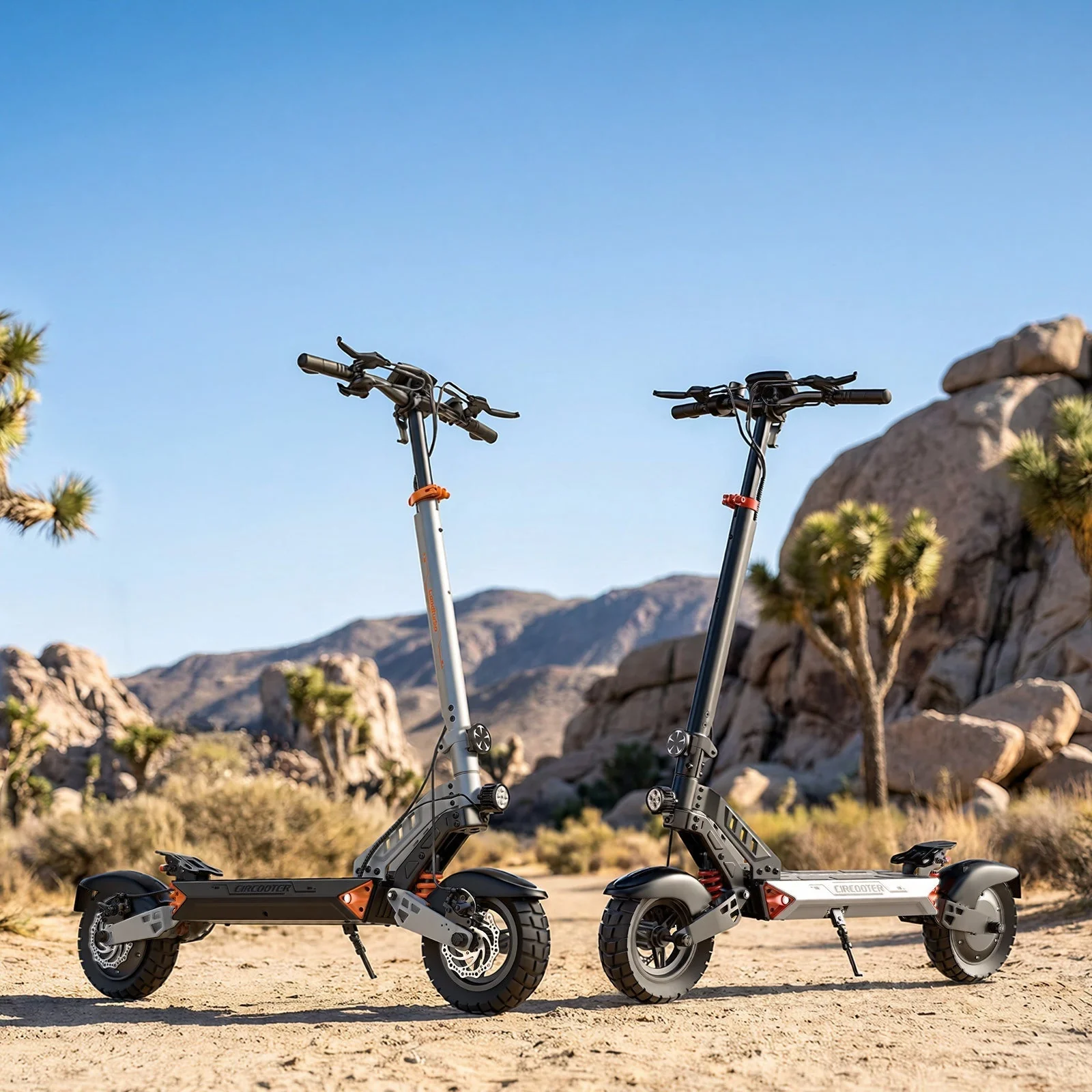
Off-road scooters once seemed suited mainly to riders looking for weekend fun. Today, their appeal reaches further. Many riders want personal transport that can handle more than smooth pavements and short leisure trips.
Urban travel rarely follows a perfect route. A daily journey may include cracked pavements, rough lanes, uneven surfaces, shared paths and short stretches away from main roads. These conditions can make a scooter designed only for smooth streets less practical.
This has helped broaden interest in off-road-style electric scooters. Riders can use them for leisure, local travel and selected commuting journeys. The appeal comes from versatility rather than one specific type of trip.
The shift also reflects a wider change in how people view short-distance transport. A scooter can connect home, work, shops, parks and other local destinations. It can also offer a practical option when walking takes too long but a car feels unnecessary.
Why Off-Road Scooters Are Moving Beyond Weekend Use
The term off-road often creates an image of trails and outdoor adventures. However, riders can value the same design characteristics during ordinary urban journeys.
Uneven ground is common in many built-up areas. Pavements can vary in quality, while residential streets may contain worn surfaces or small changes in level. Construction work can also create temporary route changes.
A scooter built with these conditions in mind may appeal to riders who want greater flexibility. That does not mean every off-road model suits every surface. Riders still need to consider where they can legally and safely ride.
The lifestyle appeal also matters. Weekend users may want a scooter for parks, local exploration or recreational rides. During the week, the same vehicle may serve shorter practical journeys.
This dual purpose can make ownership easier to justify. Instead of buying a scooter for one activity, a rider can consider how it fits several parts of everyday life.
Weekend Adventures With More Practical Potential
Weekend riding often gives people more freedom to choose their route. A short ride may become an afternoon exploring local streets, paths or suitable outdoor areas.
Exploring Local Areas
A leisure rider may use an off-road scooter to explore places within a reasonable distance from home. The journey itself becomes part of the activity.
This can suit people who enjoy discovering quieter routes or spending time outdoors. It also changes the role of personal transport. The scooter is no longer just a way to reach a destination.
However, riders should always check whether a chosen route permits scooter use. Off-road capability does not automatically mean every trail, park or public path is suitable.
Short Recreational Trips
Some riders simply want an alternative to staying indoors at the weekend. A scooter can support short recreational journeys without requiring a full-day travel plan.
The important point is flexibility. A rider may leave home for a specific destination, take a different suitable route back and turn a simple journey into a leisure activity.
That makes the scooter useful beyond traditional commuting.
Uneven Urban Routes
The everyday city environment creates another use case. Smooth roads may exist alongside rough pavements and less predictable surfaces.
Residential Streets
Residential areas can include patched road surfaces, minor bumps and changing pavement conditions. Riders who regularly travel through these areas may want a scooter suited to varied terrain.
Comfort and control become important here. A rider should feel able to maintain a steady position and respond to changes in the surface.
Riding style matters too. Uneven ground requires more attention than a smooth cycleway. Riders should reduce speed when conditions demand it and remain aware of pedestrians, vehicles and other road users.
Mixed Routes
Some journeys combine several surface types. A rider might leave a smooth urban road, travel through a residential area and reach a quieter local route.
This type of journey highlights why versatility attracts buyers. A scooter does not need to specialise in one environment if the owner’s routine changes throughout the day.
For these riders, an off-road-oriented design can make more sense than choosing a scooter purely around smooth-road commuting.
The Changing Role of the Daily Commute
Commuting is one of the clearest examples of how scooter use can expand. A short journey to work does not always require a car.
A scooter may work for people who live relatively close to their workplace and have suitable routes available. It can also support short journeys to a station or other transport connection.
The Last-Mile Journey
Last-mile travel creates a useful role for compact personal transport. Someone may use public transport for most of a journey and a scooter for the remaining distance.
This approach can reduce the need to walk a longer final stretch. It can also give riders more flexibility when their destination sits away from a main transport route.
Storage becomes important in this situation. Riders should consider where they can safely keep the scooter at work, at home or during stops.
Short Daily Errands
Not every scooter journey needs to involve work. Local errands can create equally useful opportunities.
A rider might travel to a nearby shop, collect an item or visit a local service. These journeys often involve short distances, so practical convenience can matter more than outright performance.
The right scooter should match the rider’s real routine. Buying based only on an exciting weekend scenario may lead to compromises during everyday use.
Leisure Riding During the Week
Off-road-style scooters can also fit into a routine that mixes transport and recreation.
A rider might use the scooter for a practical trip in the morning and take a recreational ride later. This makes the vehicle part of a broader lifestyle rather than a single-purpose purchase.
Evening Rides
After work, some riders may prefer a short local ride instead of a longer organised activity. A scooter can provide a simple way to spend time outdoors.
The same practical rules still apply. Riders should choose appropriate routes, consider visibility and follow local requirements.
Local Exploration
Urban areas can offer more opportunities for exploration than people expect. Quiet streets, suitable paths and nearby open areas can provide variety.
An off-road scooter can appeal to riders who dislike being limited to perfectly smooth surfaces. Still, the rider must distinguish between a scooter’s physical capability and a route’s legal suitability.
Comfort and Control Matter More Than Image
The off-road label can sound adventurous, but practical buying decisions should focus on daily use.
Comfort matters during repeated journeys. A scooter that feels manageable for a short ride may feel different after regular use. Riders should consider riding position, control layout and how confidently they can handle changing surfaces.
Control matters even more when conditions become less predictable. Uneven ground requires careful steering and speed management.
Riders should also think about their own experience level. A design intended for varied surfaces does not remove the need for responsible riding.
Storage Can Shape Everyday Usability
A scooter can work well on the road but create problems at home. Buyers should consider storage before making a purchase.
Home Storage
Measure the available space and think about where the scooter will sit when it is not in use. A suitable storage location should protect the scooter and avoid creating an obstruction.
This becomes especially important for people living in smaller homes or flats.
Workplace Storage
Commuters should also check workplace arrangements. Some employers may not have suitable indoor storage.
A rider should not assume that carrying or storing a scooter will always be convenient. Planning this detail can prevent frustration later.
What Buyers Should Consider Before Choosing a Scooter
The best choice depends on the balance between intended use, route conditions and practical ownership.
Think About Your Main Routes
Start with real journeys rather than imagined adventures. Consider where you travel most often and what surfaces you encounter.
If your routine mainly involves smooth roads, a specialised off-road design may offer more capability than you need. If your routes regularly vary, the additional versatility may make more sense.
Consider How You Will Use It
Think about weekdays and weekends together. Will you commute with the scooter? Will you use it for local errands? Do you expect to take recreational rides?
A clear answer helps prevent buying based on one occasional use.
Check the Physical Design
Look closely at the scooter’s construction and controls. Consider how it feels to manoeuvre and whether its overall design suits your routine.
Tyres, riding position, braking controls and general handling deserve attention. Buyers should review the manufacturer’s stated specifications rather than assuming that every off-road scooter offers the same characteristics.
Review Practical Ownership Needs
Charging access, storage and transport all affect ownership. Consider where you will charge the scooter and how you will manage it when you are away from home.
You should also check the relevant local rules before riding. Requirements can differ depending on where you live and where you intend to ride.
Finding the Right Balance Between Adventure and Utility
The strongest case for an off-road scooter may not come from extreme riding. It can come from versatility.
A rider may want a vehicle that supports weekend exploration without becoming redundant during the working week. Another rider may value a scooter that handles varied local routes while still serving short everyday journeys.
This is where products such as off-road electric scooters can enter the buying conversation. The important step is to compare the stated specifications with your actual routes, storage situation and intended use rather than choosing purely from the product category.
A practical approach also keeps expectations realistic. Off-road-oriented equipment does not remove surface risks, legal restrictions or the need for careful riding.
Building a More Flexible Travel Routine
Urban mobility does not always need to mean replacing one transport method with another. Instead, people can combine different options according to the journey.
A scooter may handle a short trip. Public transport may cover a longer distance. Walking may make more sense for a nearby destination. A car may remain useful when carrying larger loads or travelling further.
This flexible approach makes personal transport more about matching the vehicle to the journey.
For some riders, an off-road scooter can become part of that mix. It can support recreation at the weekend, short errands during the week and selected commuting routes.
When an Off-Road Scooter Makes Sense for Everyday Travel
An off-road scooter makes the most sense when its strengths match the rider’s real environment.
It can appeal to someone who regularly encounters varied surfaces and wants a vehicle for both leisure and practical travel. It may also suit riders who value route flexibility and want more than a scooter designed only around smooth urban pavement.
The decision should still start with practical questions. Where will you ride? How will you store and charge it? What does your daily route look like? Which surfaces do you encounter? What local rules apply?
Answering those questions gives the purchase a clearer purpose. The result can be a scooter that supports more than weekend adventures and becomes a useful part of everyday travel.