

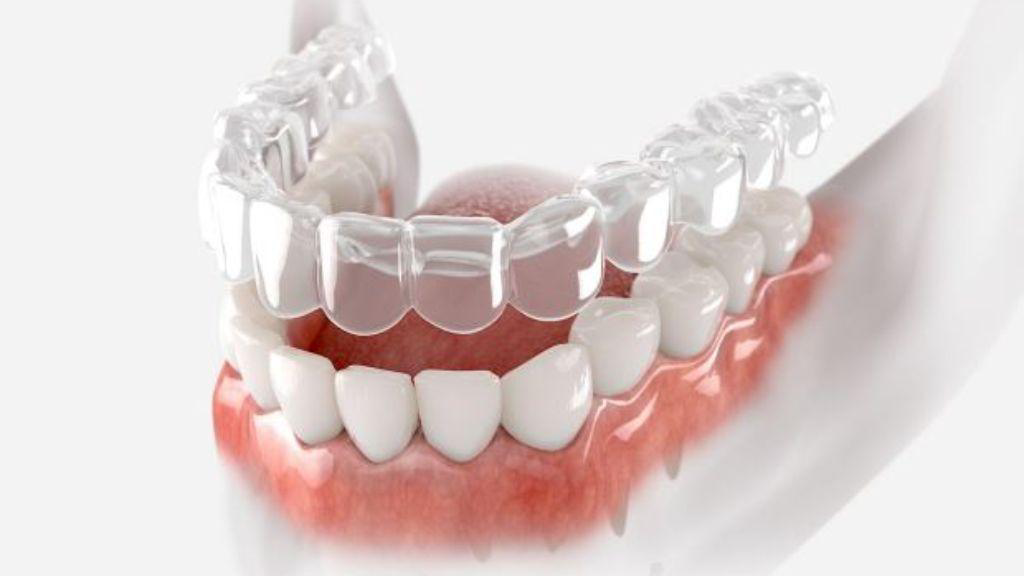
Many people start clear aligner treatment expecting their teeth to move exactly according to the first treatment plan. While aligners are a popular way to straighten teeth, tooth movement is a biological process, and every person responds differently. Because of this, some patients may need an additional stage called a refinement.
A refinement is a normal part of treatment for many people. It does not mean something has gone wrong. Instead, it allows the dental professional to make small adjustments and continue moving teeth into better positions. Refinements help improve the final result and can address areas where teeth did not move as expected.
If you are looking for a clear aligner clinic in NZ, understanding the refinement process can help you feel more confident about what to expect.
Understanding Clear Aligner Refinements
Clear aligner refinements are additional aligners created after the initial series has been completed or is nearly complete. These aligners are based on updated scans, photographs, or examinations of your teeth.
The goal of refinements is to support tooth positioning and work toward the treatment objectives set by the dental professional. In many cases, refinements focus on small corrections that may contribute to improvements in the final appearance and function of the teeth.
Refinements are common because teeth do not always respond in exactly the same way. Even with careful planning, slight variations can occur during treatment.
Why Teeth Do Not Always Move Exactly as Planned
Several factors can affect how teeth move during clear aligner treatment.
Natural Biological Differences
Every person’s teeth, gums, and bone structure respond differently to orthodontic forces. Some teeth move quickly, while others move more slowly.
It is widely recognised in orthodontic practice that individual biological responses can vary significantly from person to person. This means two people following the same treatment plan may experience different rates of tooth movement.
Aligner Wear Habits
Clear aligners are typically worn for most of the day. If aligners are removed too often or not worn for the recommended amount of time, teeth may not track properly.
Tracking refers to how closely the teeth follow the planned movement shown in the treatment software. Poor tracking can lead to small gaps between the aligner and the teeth, making refinements more likely.
Complex Tooth Movements
Some tooth movements are more challenging than others. Rotating teeth, moving teeth vertically, or correcting bite issues may require extra adjustments.
In these situations, refinements can provide additional aligners that focus on the movements that still need improvement.
What Happens During the Refinement Process?
The refinement stage usually follows a series of clear and organized steps.
Reviewing Treatment Progress
The first step is a detailed review of your progress. The dental professional examines how your teeth have moved compared to the original treatment plan.
This review may include:
- Visual examination of the teeth
- Progress photographs
- Bite assessment
- Comparison with digital treatment records
The purpose is to identify areas that still need correction.
Taking New Scans or Impressions
If refinements are recommended, updated records are usually collected.
Modern practices often use digital scanning technology to create a 3D image of the teeth. These scans provide detailed information about current tooth positions.
The scan captures the actual results achieved so far and serves as the foundation for the next stage of treatment.
Creating an Updated Treatment Plan
After the scan is completed, a revised treatment plan is developed.
This plan focuses on the remaining tooth movements. Rather than repeating the entire treatment process, it targets specific areas that need improvement.
Examples may include:
- Closing small spaces
- Improving tooth alignment
- Adjusting bite contact
- Correcting minor rotations
The updated plan helps guide the creation of a new set of aligners.
Receiving New Aligners
Once the refinement aligners are ready, the patient receives a new series designed for the remaining corrections.
The number of refinement aligners varies from person to person. Some patients may only need a few aligners, while others may require a longer refinement phase.
Patients continue wearing aligners according to the instructions provided by their dental professional.
How Long Do Refinements Take?
The length of the refinement stage depends on several factors.
These include:
- The complexity of the remaining tooth movements
- How many aligners are needed
- Patient compliance with wear instructions
- Individual biological response
Some refinement phases may last only a few weeks, while others can continue for several months.
It is important to remember that treatment timelines vary between patients. The dental professional can provide a more accurate estimate based on individual circumstances.
Common Tooth Movements Corrected During Refinements
Refinements often focus on small details that improve the overall result.
Small Gaps Between Teeth
Even tiny spaces can affect the appearance of a smile. Refinement aligners can help move teeth closer together and reduce visible gaps.
These corrections are often subtle but can make a meaningful difference in the final outcome.
Crowding and Alignment Issues
Sometimes a few teeth remain slightly out of position after the first aligner series.
Refinement aligners can address these areas and create a more even alignment.
For example, a front tooth that remains slightly rotated may require a few additional aligners to reach the planned position.
Bite Adjustments
A bite describes how the upper and lower teeth come together when the mouth closes.
During treatment, the bite may need additional fine-tuning. Refinements can help improve contact between teeth and support the treatment objectives established by the dental professional.
Bite adjustments are often an important part of achieving the desired treatment outcome.
Tips for a Smooth Refinement Stage
Patients play an important role in the success of refinements.
Wear Aligners as Directed
Consistent aligner wear remains one of the most important factors in treatment progress.
Following the recommended schedule helps teeth move according to the updated plan.
Attend Follow-Up Appointments
Regular appointments allow the dental professional to monitor progress and identify any concerns early.
These visits also provide an opportunity to ask questions and discuss treatment expectations.
Keep Aligners Clean
Clean aligners are more comfortable and help maintain good oral hygiene.
Patients should follow the cleaning instructions provided by their dental professional and avoid exposing aligners to excessive heat.
Follow Additional Instructions
Some patients may use attachments, elastics, or other treatment aids during refinements.
Using these tools correctly can help support the planned tooth movements.
If treatment is being provided through a clear aligner clinic nz, following professional guidance throughout the refinement stage can contribute to a smoother treatment experience.
Are Refinements Normal?
Yes, refinements are considered a normal part of clear aligner treatment.
Many patients require some level of adjustment before treatment is complete. This is because tooth movement depends on biological processes that cannot be predicted with perfect accuracy.
Refinements allow dental professionals to respond to real-world results rather than relying solely on the original digital plan.
Instead of viewing refinements as a setback, they can be seen as an opportunity to improve the final outcome. The additional aligners help address remaining concerns and support ongoing progress toward the planned treatment goals.
Patients who understand this process often feel more comfortable and realistic about their treatment journey.
Conclusion
Clear aligner refinements are additional treatment stages used to make final adjustments after the initial aligner series. They help correct areas where teeth have not moved exactly as expected and allow dental professionals to improve alignment, spacing, and bite relationships.
The refinement process typically involves reviewing treatment progress, taking updated scans, creating a revised plan, and providing a new set of aligners. While the length of refinements varies, they are a common and accepted part of treatment for many patients.
By wearing aligners consistently, attending follow-up appointments, and following professional instructions, Patients can support the refinement process and work toward their individual treatment goals.
This article is intended for general educational purposes only and does not constitute dental advice. Suitability for clear aligner treatment, including refinements, varies between individuals and should be assessed by a registered oral health practitioner. Please consult a qualified dental provider before beginning or continuing any orthodontic treatment.