

Introduction
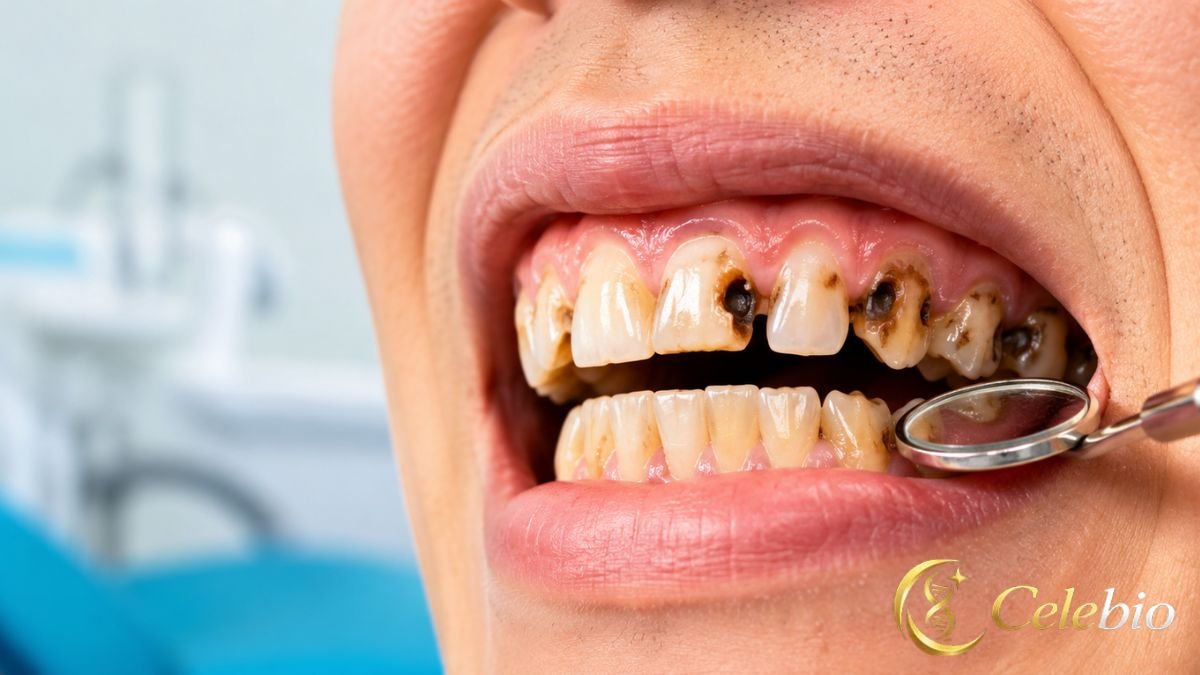
“Rotten teeth” is a phrase many people search for when they notice dark stains, holes, crumbling enamel, bad breath, pain, or sensitivity and want to know how serious the problem is. Although it sounds dramatic, the term usually refers to advanced tooth decay, also called dental caries, where bacteria and acid have damaged the tooth’s structure. The good news is that dental treatment can often stop the damage from getting worse, relieve pain, and protect oral health. The safest next step is a professional dental evaluation, especially if pain, swelling, fever, or a bad taste is present.
Quick Bio
| Field | Verified Detail |
| Common Term | Rotten teeth |
| Clinical Context | Advanced tooth decay or dental caries |
| Main Area Affected | Tooth enamel, dentin, and sometimes the inner pulp |
| Common Signs | Toothache, sensitivity, dark spots, holes, broken edges, bad breath |
| Main Causes | Plaque bacteria, frequent sugar exposure, poor oral hygiene, dry mouth, missed dental care |
| Professional Care | Dental examination, X-rays when needed, fillings, crowns, root canal treatment, extraction, or infection treatment |
| Prevention Focus | Fluoride toothpaste, daily cleaning, reduced sugar frequency, regular dental visits |
What Rotten Teeth Really Means
Rotten teeth are not a formal diagnosis, but they are commonly used to describe teeth that appear badly decayed, broken, darkened, or infected. In clinical terms, the issue is usually tooth decay. Decay begins when bacteria in dental plaque use sugars and starches from food and drinks to produce acids. Over time, these acids weaken the enamel, the tooth’s hard outer layer.
At first, decay may be silent. A person might not feel pain or notice a cavity immediately. As the damage moves deeper, it can reach the dentin, which is softer than enamel and more sensitive. If decay continues into the pulp, where nerves and blood vessels are located, pain can become severe, and infection can develop. At that stage, the tooth may need urgent professional care.
The appearance of a “rotten” tooth can vary. Some teeth show white chalky marks, yellow or brown staining, black spots, visible holes, rough edges, or cracks. Others may look mostly normal from the outside, while the decay is deeper between teeth or under old dental work. This is why a dentist’s examination matters. What looks minor can be deeper than expected, and what looks frightening may still be treatable.
Common Symptoms of Rotten Teeth
This section explains the symptoms of rotten teeth, organized by stage. Early decay might cause no pain, underlining the importance of regular dental checkups. As decay progresses, more recognizable signs appear, emphasized here for awareness.
One of the most common signs is a toothache. The pain may be dull and ongoing, sharp when biting, or sudden when eating something hot, cold, sweet, or acidic. Sensitivity can also be a warning sign, especially when it lingers after the trigger is gone.
Decay may cause visible white, brown, gray, or black areas. Holes, pits, crumbling, or chipped edges may form, trapping food and making cleaning harder, worsening decay.
Bad breath or a foul or metallic taste may appear if bacteria, trapped food, or an infection is present. Gum or facial swelling, pus, fever, or pain spreading suggests an abscess—see a dentist promptly.
Core Causes and Risk Factors
Tooth decay is usually caused by a combination of bacterial plaque, diet, oral hygiene habits, saliva levels, and access to dental care. Plaque is a sticky film that forms on teeth. If it is not removed by brushing and cleaning between the teeth, bacteria in plaque continue to produce acids that attack the enamel.
Diet matters. Frequent sugary snacks, sweet drinks, juices, refined carbs, and sticky foods fuel bacteria. Repeated sugar exposure, like sipping sweet drinks often, means repeated acid attack.
Dry mouth is another important risk factor. Saliva helps wash away food particles, dilutes acids, and supports enamel repair. When saliva flow is low, the risk of decay rises. Dry mouth may be linked to dehydration, some medications, certain health conditions, mouth breathing, tobacco use, or aging.
Poor brushing, skipping interdental cleaning, and missed checkups allow small cavities to grow. Old fillings, crowded teeth, exposed roots, and gum recession make cleaning difficult, increasing the risk of decay.
Professional Treatment Options
Only a licensed dental professional can confirm the severity of the decay and recommend the appropriate treatment. The best option depends on the tooth’s condition, how deep the decay has gone, whether infection is present, and whether enough healthy tooth remains to restore.
Early decay may require fluoride, improved home care, dietary changes, and monitoring. Cavities require removal of decay and placement of a filling to restore function and protect from further damage.
If the tooth has lost a larger amount of structure, a crown may be needed. A crown covers and protects the remaining tooth, helping restore chewing strength. When decay reaches the pulp, root canal treatment may be recommended to remove infected or damaged tissue and save the natural tooth.
Teeth too damaged to repair may need to be extracted. Afterward, replacement options include a bridge, a denture, or an implant, depending on oral health and budget.
When an infection or abscess is present, treatment may involve draining the infection, performing root canal treatment, providing gum treatment, or extracting the tooth. Antibiotics may be used in select cases, especially if the infection is spreading, but they do not address the source of tooth decay on their own.
When Rotten Teeth Become Urgent
This section explains which symptoms mean decayed teeth require urgent attention. It is focused on guiding readers to recognize when to seek rapid professional dental care for pain and signs of infection.
Get emergency care if swelling spreads to your eye, neck, or jaw, or if you have trouble breathing or swallowing. These can mean the infection is spreading and dangerous.
People may delay treatment due to embarrassment about their teeth, which can worsen problems. Dentists treat issues such as decay and pain professionally. Early care helps save teeth and avoids complex procedures.
Key Facts and Interesting Details
The term “rotten teeth” usually refers to advanced tooth decay, not a separate disease. The clinical issue is dental caries, which develops when plaque bacteria produce acids that damage the enamel and underlying tooth structures.
Decay can start without pain. Discomfort often appears only when the cavity deepens or reaches a sensitive area.
Dark color alone does not always show the full severity. Some dark stains are surface-level, while others are serious cavities hidden between teeth or under existing dental work.
Severe decay does not always mean tooth loss. If enough healthy structure remains, a dentist may restore it with a filling, crown, or root canal.
If pain vanishes suddenly, the tooth nerve may be damaged. Still seek a dental check.
Bad breath from tooth decay comes from bacteria, trapped food, gum inflammation, or infection. Mouthwash may help odor but cannot fix decay.
Dry mouth can increase the risk of cavities because saliva naturally helps protect teeth. People who frequently feel their mouth is dry should discuss it with a dentist or healthcare provider.
Prevention is easier, less painful, and less costly than treatment. Using fluoride toothpaste daily, cleaning carefully, and seeing a dentist regularly maintain oral health.
How Rotten Teeth Affect Daily Life
Because rotten teeth are a health-related search term rather than a person, their “background” is best understood through the process of tooth decay. Dental caries has long been one of the most common oral health problems worldwide. It affects children, adults, and older people and can occur in both baby and permanent teeth.
The condition develops gradually. It starts at the tooth surface, often where plaque collects in grooves, between teeth, along the gumline, or near old restorations. Enamel weakens first. If it continues, damage moves inward and becomes harder to treat with simple measures.
The phrase “rotten teeth” is popular because it describes the look of severe decay: dark, broken, infected. Dentists use precise clinical terms such as cavities, caries, pulp infection, abscess, and advanced decay.
How Rotten Teeth Affect Daily Life
In public health, rotten teeth are a recognized problem because tooth decay can harm comfort, confidence, nutrition, speech, attendance, performance, and quality of life. Severe dental issues cause pain when chewing, smiling, speaking, or sleeping.
The topic draws search interest because people are unsure if a damaged tooth can be saved. Many worry about cost, pain, embarrassment, or possible danger. Advanced decay requires professional care, but many treatments are available; earlier care improves outcomes.
Dental professionals focus on saving natural teeth when possible, controlling infection, restoring function, and preventing further damage. The public message is not shame; it is early action.
Who Is More at Risk of Rotten Teeth
Rotten teeth can affect people of all ages and backgrounds. Risk may be higher when oral hygiene is inconsistent, sugar exposure is frequent, fluoride exposure is low, saliva flow is reduced, or regular dental care is delayed. Children, older adults, people with dry mouth, people with limited access to dental services, and people with complex medical needs may face additional risk.
Family habits can also influence oral health. Shared routines around brushing, snacks, sugary drinks, bedtime bottles, and dental visits can influence the risk of cavities in children and adults. Still, tooth decay should not be treated as a personal failure. It is a medical and dental condition with biological, behavioral, social, and access-related factors.
Why Rotten Teeth Is Gaining Attention
Search interest for “rotten teeth” often comes from people trying to quickly understand a worrying symptom. They may see a black spot, feel pain while biting, notice a hole, experience bad breath, or worry that a tooth is infected. The phrase is direct, emotional, and easy to type when someone is anxious.
Another reason the term gets attention is that people want to know whether the problem can be fixed. They may be searching for treatment options, home remedies, costs, emergency signs, or whether they need a dentist immediately. The most responsible answer is clear: home care can help prevent future decay, but it cannot rebuild a severely broken or infected tooth. Professional treatment is needed to remove decay, restore the tooth, or treat infection.
The topic also appears in searches about appearance, confidence, and social discomfort. Damaged teeth can affect how people feel about smiling or speaking. A respectful article should avoid judgment and focus on practical, safe information.
Public Image, Privacy, and Media Interest
The phrase rotten teeth is sometimes used harshly online, especially in image captions, social comments, or discussions about appearance. That kind of language can be embarrassing and unfair. In a professional health context, the term should be handled carefully because tooth decay is a medical issue, not a character flaw.
Many people delay treatment because they feel shame. That delay can lead to deeper decay, infection, tooth loss, or more expensive dental work. Clear information should reduce fear and encourage action. The focus should be on symptoms, causes, treatment, prevention, and urgent warning signs.
Responsible coverage also avoids making assumptions about why someone has visible tooth decay. Oral health can be affected by access to care, medication, dry mouth, diet, past dental trauma, disability, pregnancy-related changes, fear of dental treatment, medical conditions, and socioeconomic factors. A person’s teeth do not tell their whole story.
Prevention and Daily Care
Preventing rotten teeth starts with consistent basics. Brushing twice daily with fluoride toothpaste helps remove plaque and strengthen enamel. Cleaning between teeth helps remove debris and bacteria from areas a toothbrush cannot fully reach.
Reducing frequent sugar exposure is also important. This does not mean a person can never enjoy sweet foods, but repeated snacking or sipping sugary drinks throughout the day increases acid attacks. Water, balanced meals, and limiting sticky sweets can help protect enamel.
Regular dental visits matter because early decay is easier to manage. A dentist can detect small cavities, check old fillings, provide guidance on fluoride use, clean hardened deposits, and identify risk factors such as dry mouth or gum disease. For some patients, professional fluoride treatments, sealants, prescription toothpaste, or more frequent checkups may be recommended.
People with dry mouths should not ignore it. Drinking water, discussing medication side effects with a healthcare provider, using dentist-recommended products, and avoiding tobacco can support better oral health.
Conclusion
Rotten teeth is a common search term for advanced tooth decay, visible tooth damage, pain, bad breath, or suspected infection. While the phrase may sound alarming, the condition is often manageable with the right dental care. The key is not to wait until pain becomes unbearable or swelling appears. A dentist can assess the damage, explain whether the tooth can be restored, and treat infection before it becomes more serious. Responsible information matters because people searching this topic need clear facts, practical next steps, and reassurance that dental problems can be addressed professionally and respectfully.
FAQs
What are rotten teeth?
Rotten teeth usually mean teeth affected by advanced tooth decay. The tooth may look dark, broken, stained, hollow, or crumbled, and it may cause pain, sensitivity, bad breath, or infection.
Can rotten teeth be fixed?
Many decayed teeth can be treated, depending on how much healthy structure remains. A dentist may recommend fluoride treatment, a filling, a crown, root canal treatment, or extraction if the tooth cannot be saved.
Why do rotten teeth smell bad?
Bad odor may come from bacteria, trapped food, plaque buildup, gum inflammation, or infection. Mouthwash may temporarily mask the odor, but dental treatment is needed if decay or infection is the cause.
When should I seek urgent help for rotten teeth?
Seek urgent dental care if you have severe pain, swelling, pus, fever, a bad taste, or trouble opening your mouth. Emergency medical care is needed if swelling affects breathing or swallowing.
How can rotten teeth be prevented?
Rotten teeth can often be prevented by brushing twice daily with fluoride toothpaste, cleaning between teeth, limiting frequent sugary foods and drinks, managing dry mouth, and seeing a dentist regularly.
