

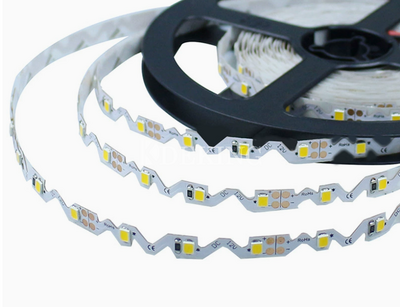
The Growing Importance of LED Strip Lighting
Lighting can change how a workplace feels, how safely people move through it, and how efficiently daily tasks are completed. In factories, warehouses, offices, and shops, LED strip systems offer a practical way to deliver consistent illumination across complex spaces. Their slim profiles suit locations where conventional fixtures are difficult to install. Commercial LED strip lighting can also be adapted to varied interiors. Choosing the right system, however, involves more than selecting a colour or brightness level. Output, durability, installation conditions, and maintenance requirements all influence long-term performance and operating costs over time.
Why LED Strip Lighting Matters in Modern Facilities
Industrial and commercial environments have varied lighting needs. Production areas require clear visibility for detailed work, while storage spaces need dependable illumination along aisles and shelving. Retail interiors may use accent lighting to guide attention, and offices benefit from balanced light that supports concentration. LED strips can address these different purposes through flexible lengths, colour temperatures, and output options. For buyers comparing an Industrial LED strip light supplier, technical guidance is important because the correct specification depends on the space, task, and schedule.
Understanding Output, Colour, and Control
Brightness is commonly described in lumens, while watts indicate electrical power consumption. Comparing both figures helps buyers assess light output relative to energy use in context. Colour temperature also affects the appearance and feel of a space: warmer tones can create a relaxed atmosphere, whereas cooler white light is often selected for task-focused settings. Some projects need colour-changing effects or separate white-light control. For example, a 5050 RGBW LED Strip Max Power: 88W combines red, green, blue, and white LED elements in one strip format.
Selecting the Right Strip for the Application
The physical environment should guide product selection. An office ceiling differs from a food-processing area, loading bay, or outdoor sign. Buyers should check the strip’s ingress protection rating, operating temperature range, adhesive or mounting method, and compatibility with suitable power supplies. Moisture, dust, vibration, and heat can shorten product life when a system is not designed for those conditions. A knowledgeable Commercial LED strip lighting provider can help compare these specifications and identify whether additional profiles, diffusers, or protective enclosures are needed.
Installation Planning and Electrical Compatibility
A successful lighting project begins with accurate measurements and a clear layout. Long runs may experience voltage drop, which can cause brightness to vary from one end of a strip to the other. The installation plan should account for run length, conductor size, power injection points, and manufacturer limits. Power supplies must match the strip’s voltage and total load, with a safety margin. Dimmers and controllers also need to be compatible with the selected strip type. Qualified electrical installation helps reduce avoidable faults and supports safe operation.
Efficiency, Maintenance, and Total Cost
LED technology can provide useful illumination with lower energy consumption than many older lighting options. Savings depend on the previous system, operating hours, electricity rates, and product efficiency. A fair comparison includes purchase price, installation, controls, replacement intervals, and maintenance access. Dust accumulation and poor heat management can affect performance over time, so regular inspection remains worthwhile. In facilities that operate for extended shifts, even modest improvements in lighting efficiency may contribute to meaningful long-term savings. Clear records of maintenance and energy use can help managers assess results.
Designing Lighting That Supports People and Operations
Good lighting design considers more than visibility. Glare, uneven brightness, shadows, and colour rendering can influence comfort and task accuracy. Workstations may need focused illumination, while corridors and shared spaces require consistent light distribution. In shops and display areas, carefully positioned strips can highlight shelves, architectural details, and product features without overwhelming the wider environment. A second Industrial LED strip light supplier comparison can be useful when projects involve multiple zones, since specifications that work well in one area may not suit another.
Making an Informed Purchasing Decision
Before ordering, teams should document the intended use, installation location, required brightness, colour temperature, strip length, control method, and environmental conditions. They should also confirm warranty terms, product documentation, cut points, connector options, and the availability of replacement components. Comparing products against the same criteria makes quotations easier to evaluate and reduces the risk of choosing on price alone. For larger facilities, a sample section can reveal how light appears on surfaces and whether the layout meets expectations. Clear specifications also help installers coordinate materials, labour, and commissioning.
Conclusion: Practical Choices Lead to Better Lighting Results
LED strips support safer movement, clearer work areas, attractive displays, and adaptable designs when matched to the setting. Attention to output, protection ratings, electrical compatibility, and installation helps prevent problems and improve project value. Buyers exploring Industrial LED strip light supplier options can review product details at dekingled.com and compare specifications with project requirements. A considered selection process makes it easier to balance performance, appearance, reliability, and energy use over the life of the installation. This approach supports dependable results across different types of facilities.