

There’s a crack near the window frame that wasn’t there last year. The back door’s started catching on the frame every single time now. And has anyone else noticed the lounge room floor’s got a bit of a lean to it lately?
On their own, none of that’s a five-alarm fire. Together, though, it usually means the foundation’s on the move, and honestly that happens a lot more around Sydney than most people assume, given how much reactive clay sits under a lot of the city’s suburbs.
Underpinning, in plain terms, is digging down beneath an existing foundation until you reach stable ground, then reinforcing what’s already there. It’s genuinely specialist work. Handing it to a general builder who does “a bit of everything” is usually how people end up paying twice.
If cracks, uneven floors or sticking doors have started turning up around your place, these are a few Sydney specialists worth knowing about.
1. Pierite
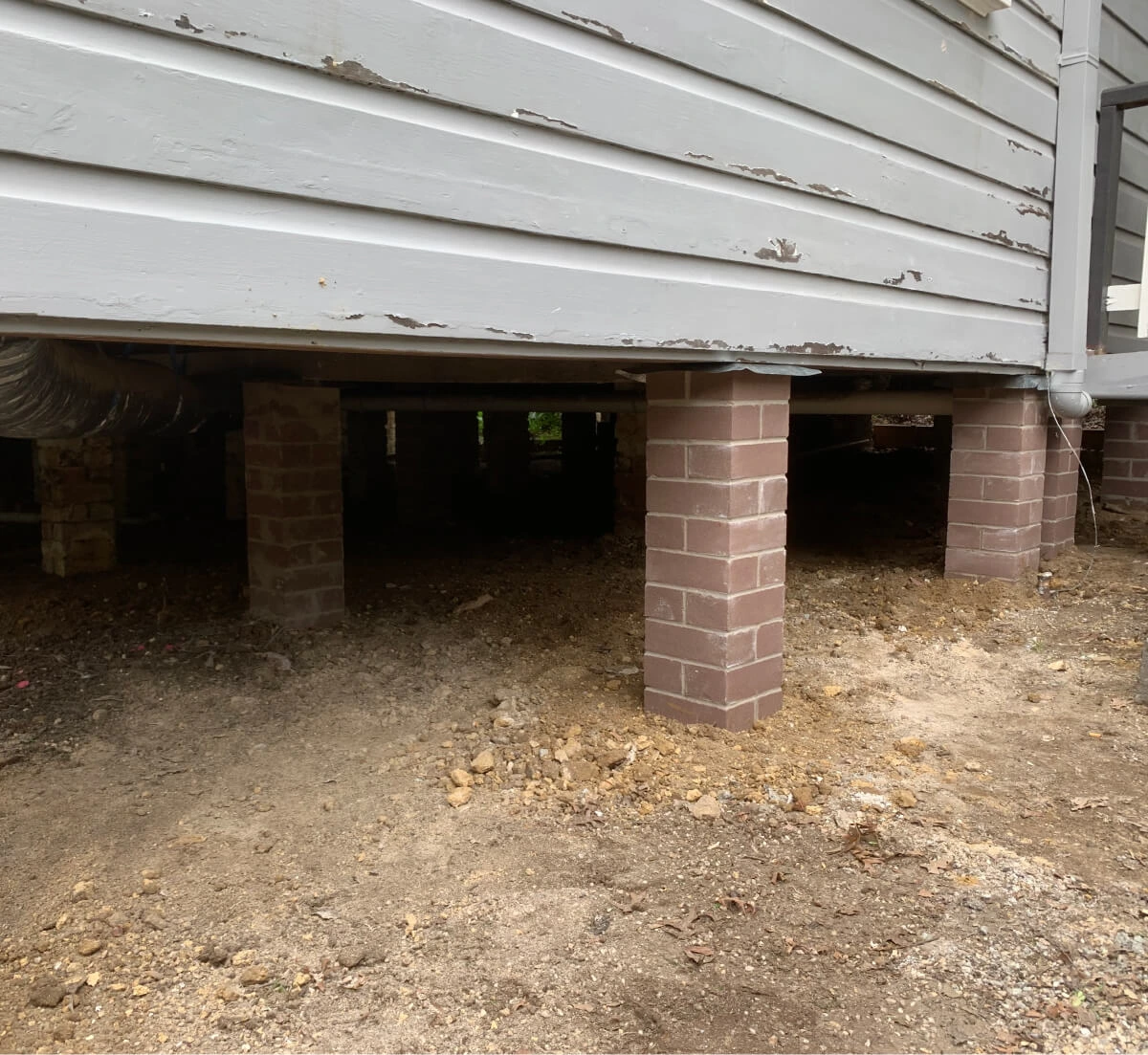
Pierite handles pier replacement and underpinning across Sydney Metro, out through Penrith and into the Blue Mountains. Slab homes get underpinning, houses on bearers and joists get pier replacement, and properties with sagging floors can be re-levelled.
Diagnosis is really the whole game though.
A crack or a sticking door could come from ageing, reactive soil, tree roots creeping under the slab, drainage that’s quietly failed years ago, take your pick. Skip a proper inspection and you could end up paying to patch a symptom while whatever’s actually causing the movement keeps going underneath.
Get the diagnosis right first and the repair usually makes a lot more sense.
2. Adept Underpinner
Adept has been working across Sydney and the Central Coast for more than forty years, and it’s still the original owner carrying out property assessments himself rather than sending someone else.
Their preference is traditional concrete underpinning over resin or chemical injection systems, and if you ask why, they’ll happily explain their reasoning.
Their view is that chemical methods can struggle where water movement is involved and aren’t always the best option for older or heritage buildings. Whether you agree or not, hearing that sort of straight answer is useful when you’ve got three different contractors all recommending something different.
3. Geotech Built
Geotech Built has more than thirty years of experience across Sydney and New South Wales, covering underpinning, pier repairs, restumping and subfloor extensions.
Rather than looking at a sloping floor and making an educated guess, they use laser levelling equipment to measure exactly how much movement has taken place before recommending repairs.
Moisture and drainage issues come up regularly in their work too, particularly with older homes sitting on timber or brick stumps. If dampness seems to be tied into the structural problems you’re seeing, they’re worth speaking with.
4. Mainmark
Mainmark takes a different approach from many companies on this list by offering resin injection underpinning instead of relying solely on traditional concrete methods.
With more than thirty-five years in ground engineering, they also carry out slab re-levelling, void filling and broader ground improvement across both residential and commercial properties.
If you’re dealing with something larger than a straightforward pier replacement, such as movement across an entire slab rather than one isolated area, having a wider range of repair methods available gives you more options.
5. A1 Underpinning
A1 Underpinning works across several different methods, including mass concrete, beam and base, and mini-piled underpinning, with a strong focus on older and heritage properties.
Mini-piled underpinning is often chosen where excavation space is limited or where preserving the building’s original appearance matters.
Nobody wants a heavy concrete repair ruining the character of a century-old terrace. Having someone who isn’t limited to one particular method is genuinely worth something in that situation.
Does Every Crack Mean You Need Underpinning?
Not necessarily, and that’s probably one of the biggest misconceptions around foundation repairs.
Hairline cracks in plaster can simply be part of normal movement as a house settles over time. Changes in moisture, seasonal conditions and ageing building materials can all leave small cosmetic cracks that don’t automatically point to a major structural issue.
The bigger concern is when several warning signs start showing up together. Cracks getting wider. Doors or windows sticking. Floors that suddenly don’t feel level anymore.
That’s usually the point where it’s worth organising a proper inspection.
A good underpinning specialist won’t recommend underpinning just because they’ve spotted one crack. They’ll work out what’s causing the movement first, then explain whether underpinning is actually needed or whether there’s a simpler fix.
Questions Before You Sign Anything
Ask whether they’ve actually worked out what’s causing the movement or if they’re simply quoting based on what’s visible on the surface, because those are two very different things.
Ask why they’re recommending a particular underpinning method instead of the alternatives.
Check that they’re properly licensed and insured, and that the work is backed by a written warranty rather than just a verbal promise.
Finally, ask what sort of disruption you should realistically expect while the work’s being carried out. Underpinning isn’t usually a quick job, so it’s worth knowing what you’re signing up for before work begins.
It Won’t Sort Itself Out
Foundation problems don’t quietly disappear on their own. They usually become more expensive the longer they’re sit there.
There’s a resale angle too that catches plenty of homeowners off guard. Buyers spot movement during a building inspection and suddenly start asking for a significant price reduction, or they walk away altogether.
If you’re seeing cracked brickwork, sticking doors or floors that don’t feel level anymore, it’s worth getting the place looked at sooner rather than later.
A contractor who takes the time to work out why the movement is happening, rather than simply patching what’s visible, will usually save you money in the long run.
Nearly always does.