

Subtitle: A clear wildlife guide to what a red stag is, how it lives, why it matters, and how to observe it responsibly.
Introduction
A red stag is one of the most impressive sights in the wild: tall, muscular, alert, and often crowned with branching antlers that make it instantly recognizable. Many people search for the term to understand whether a red stag is a separate animal, a male deer, a hunting term, a wildlife symbol, or simply another name for a red deer. The answer is simple, but the topic has more depth than it first appears. Understanding the red stag helps readers learn about deer behavior, seasonal changes, natural habitats, antler growth, breeding displays, conservation, and responsible wildlife viewing.
Readers who enjoy helpful nature and explainer guides can also explore more educational content on Celebio.
What Is a Red Stag?
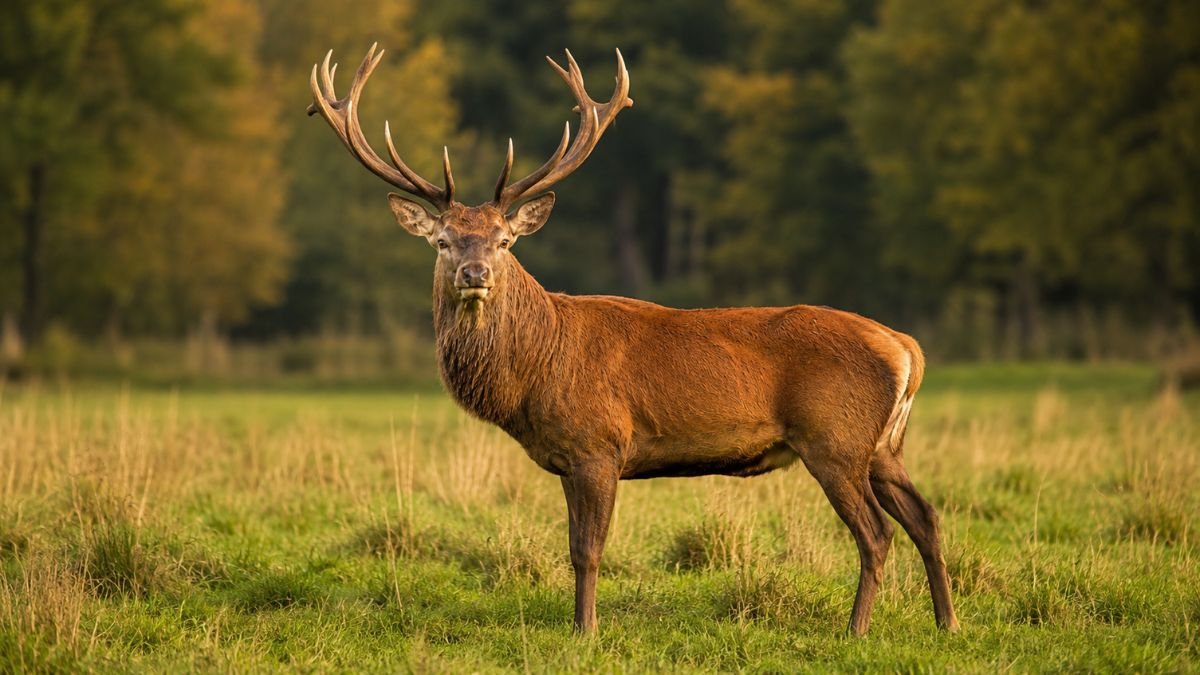
A red stag is an adult male red deer. The red deer is a large deer species known for its reddish-brown summer coat, powerful body, long legs, and pale rump patch. The word “stag” refers to the male, while the female is usually called a hind and the young are called calves. In everyday language, people often use “red stag” when speaking about a mature male red deer, especially one with visible antlers.
The red stag is not just known for its size. It is also famous for its deep roaring call during the breeding season, often called the rut. During this period, mature males compete for access to females by calling, displaying strength, guarding groups of hinds, and sometimes clashing antlers with rival males. This behavior has made the red stag a powerful symbol of wilderness, strength, endurance, and seasonal drama in many landscapes.
Red stags live in different environments depending on the region. They may be found in forests, open moorland, grassland edges, mountain areas, estate parkland, and mixed woodland. Their habits change with food availability, weather, breeding season, and human disturbance. Although the animal looks bold and dominant, it is still a wild herbivore that depends on space, cover, grazing areas, and healthy habitat.
Why the Red Stag Matters
The red stag matters because it plays a visible role in nature, culture, wildlife tourism, land management, and ecological balance. For nature lovers, seeing a stag in the wild is often a memorable experience. Its antlers, posture, and seasonal calls create a strong connection between people and the natural world. In many regions, the red stag is one of the most recognized large mammals, making it important for education, photography, conservation awareness, and outdoor recreation.
Ecologically, red deer influence vegetation through grazing and browsing. They feed on grasses, shrubs, young trees, herbs, bark, and other plant material. In balanced numbers, their feeding can help shape habitats and create variety in vegetation structure. When deer numbers become too high in an area, however, over-browsing can damage young woodland, reduce plant diversity, and affect other wildlife that depends on dense undergrowth. This is why deer management can be a serious topic in places where natural predators are absent or limited.
The red stag also matters because people often misunderstand it. Some see it only as a trophy animal, while others view it only as a symbol of natural beauty. A more accurate view sits between these extremes. Red stags are wild animals with ecological value, cultural importance, and management challenges. Respecting them means appreciating their beauty while also understanding their behavior, habitat needs, and impact on landscapes.
How a Red Stag Lives and Behaves
A red stag’s life is shaped by seasons. During much of the year, mature males may live away from female groups, often forming loose bachelor groups or moving through quiet feeding areas. They spend time feeding, resting, building body condition, and avoiding unnecessary conflict. Their diet changes with the season, depending on what is available in their habitat.
Antlers are one of the most fascinating features of a red stag. Unlike horns, antlers are shed and regrown. They grow from bony structures on the skull and develop under a soft covering known as velvet, which supplies blood and nutrients during growth. Once the antlers harden, the velvet is rubbed away, often against trees or vegetation. Antler size can be influenced by age, genetics, nutrition, health, and local conditions. A large set of antlers does not simply appear by chance; it reflects the animal’s development and environment.
The rut is the most dramatic part of the red stag’s yearly cycle. During this period, stags compete for breeding opportunities. Their roaring calls advertise strength and presence. Rival males may assess each other by walking parallel, displaying body size, and comparing antlers before deciding whether to fight. Physical clashes can happen, but not every contest ends in combat. Fighting costs energy and carries injury risk, so displays and calls are often used to settle competition before serious contact occurs.
Ecological Importance of the Red Stag
The red stag benefits ecosystems by contributing to natural food webs and habitat processes. As a large grazing and browsing animal, it affects plant growth, seed movement, and woodland structure. In landscapes where deer are managed responsibly, their presence can contribute to a varied and dynamic environment. Their movements, feeding patterns, and seasonal behavior all influence how habitats develop over time.
For people, the red stag has educational value. It helps beginners understand how wildlife adapts to seasons, how animal behavior changes during breeding periods, and how large herbivores interact with forests and open land. A single observation of a stag can teach lessons about camouflage, alertness, social behavior, and the importance of keeping distance from wild animals.
The red stag also supports nature-based tourism and photography. Wildlife watchers travel to known deer habitats during the rut to hear roaring stags and observe natural behavior from safe viewpoints. This can support rural tourism and encourage public interest in conservation. The benefit is strongest when viewing is responsible, quiet, and respectful, rather than disruptive.
Another benefit is cultural value. Red stags appear in art, stories, heraldry, estate imagery, and landscape identity. Their striking appearance has made them a lasting symbol of wild places. This cultural connection can help people care more deeply about habitat protection and responsible land use.
Practical Uses or Real-Life Examples
One practical example of red stag importance is wildlife watching. In autumn, many people visit open hills, glens, forests, and reserves to observe the rut. The best experience usually comes from watching at a distance with binoculars rather than approaching the animals. Stags during the rut are highly focused, powerful, and unpredictable, so safe viewing protects both people and wildlife.
Another example is land management. In areas with high deer populations, young trees may struggle to grow because deer browse new shoots. Land managers may need to monitor deer numbers, protect woodland regeneration, use fencing in sensitive areas, or apply regulated management plans. This shows why the red stag is not only a beautiful animal but also a serious part of habitat planning.
A third example is education. Teachers, nature writers, and wildlife guides often use red stags to explain animal adaptation. Antler growth, seasonal coats, rutting calls, dominance behavior, and herd structure are easy for readers to visualize. These features make the red stag a strong example for explaining mammal behavior in a beginner-friendly way.
Red stags are also relevant in farming and deer parks. In some places, red deer are kept in managed settings for venison, conservation breeding, or public viewing. Managed deer are different from truly wild animals, but they still require proper welfare, space, food, and careful handling. Readers should avoid assuming that a deer in a park behaves exactly like a wild stag during the rut.
Best Practices and Helpful Tips
The first best practice around red stags is simple: keep distance. A stag may look calm, but it is strong, fast, and capable of causing serious injury if approached, cornered, or disturbed. This matters most during the rut, when males are more territorial and energetic. Use binoculars, stay on marked paths where available, and never try to get close for a better photo.
The second tip is to avoid feeding deer. Feeding may seem kind, but it can alter natural behavior, increase dependence, create aggression toward people, and harm the animal if the food is unsuitable. Wild deer are adapted to finding natural food, and human feeding can create long-term problems for both animals and visitors.
A third useful tip is to watch quietly. Loud voices, sudden movement, drones, dogs running loose, and repeated attempts to approach can disturb deer. Responsible wildlife viewing means letting the animal behave naturally. The best observations often happen when people stay still, remain patient, and allow the stag to move freely.
Dog owners should be especially careful in deer areas. Dogs can chase, stress, or injure deer, even when they are not usually aggressive. During calving season, hinds may also be protective. Keeping dogs under close control protects wildlife and prevents risky encounters.
For photographers, the best practice is to use distance-friendly equipment rather than moving too close. A strong image should never come at the cost of animal welfare. Natural behavior is more valuable than a forced close-up.
Common Mistakes to Avoid
One common mistake is thinking every antlered deer is a red stag. Several deer species have antlers, and identification depends on body size, coat color, rump patch, antler shape, location, and habitat. A red stag is specifically a male red deer, not just any male deer.
Another mistake is assuming antler size tells the whole story of strength or age. Antlers can provide clues, but they are influenced by nutrition, genetics, health, and environment. A younger stag in excellent condition may appear impressive, while an older animal may begin to decline after its peak years. Antlers are important, but they are not a perfect measurement of the animal’s full condition.
People also make the mistake of getting too close during the rut. A roaring stag may seem focused only on rivals, but that does not make it safe to approach. During the breeding season, stags can be more reactive, and their movements may be sudden. Respecting space is not only safer; it also prevents stress and disturbance.
Another misunderstanding is treating deer management as either completely good or completely bad. In reality, it depends on habitat, population density, local ecology, welfare standards, and long-term conservation goals. Healthy discussion requires balance, not emotion alone.
A final mistake is using romantic language that hides real ecological issues. Red stags are magnificent animals, but large deer populations can affect woodland recovery and plant diversity in some areas. Admiring them honestly means recognizing both their beauty and their environmental impact.
Important Facts You Should Know
A red stag is the male of the red deer species, and females are called hinds. Readers who want official context can also review guidance on red deer and native deer species. This basic distinction helps readers better understand wildlife guides, nature documentaries, hunting terminology, and conservation discussions.
Red stags grow and shed antlers in a yearly cycle. The process uses significant energy and nutrients, which is why food quality and overall health can affect antler development. During growth, antlers are covered in velvet, and after hardening, the stag rubs the velvet away.
The rut is usually the most visible season for stag behavior. Roaring, displaying, scent marking, guarding hinds, and competing with rivals are all part of the breeding period. This is also when many wildlife watchers become interested in seeing red stags in natural landscapes.
Red deer are adaptable herbivores. They can use woodland, open country, upland areas, grassland, and mixed habitats, but their exact behavior depends on local conditions. Weather, food supply, human disturbance, and population pressure all influence where they feed and rest.
Conservation status can vary by region and population. Red deer as a species may be secure in many places, but some local populations or related subspecies can face pressure from habitat loss, fragmentation, hunting pressure, competition, or genetic isolation. This is why local context matters when discussing conservation.
Final Thoughts
The red stag is more than a striking animal with large antlers. It is a seasonal symbol, a powerful wild herbivore, a subject of wildlife interest, and an important part of many landscapes. Understanding what it is, how it behaves, and why it matters helps readers move beyond simple admiration into informed appreciation. Whether you are a beginner, a wildlife watcher, a photographer, or someone curious about deer behavior, the best approach is to respect the animal, learn its natural rhythms, and view it responsibly.
FAQs
What is a red stag?
A red stag is an adult male red deer. It is known for its large body, seasonal antlers, reddish-brown coat, and loud roaring calls during the breeding season.
Is a red stag dangerous?
A red stag is not usually aggressive toward people without reason, but it can be dangerous if approached, disturbed, cornered, or encountered during the rut. Always keep a safe distance.
Why do red stags roar?
Red stags roar mainly during the rut to attract females, challenge rival males, and show strength. The call helps other deer assess the stag’s condition and presence.
Do red stags lose their antlers?
Yes. Red stags shed and regrow their antlers in a yearly cycle. New antlers grow under velvet before hardening and being cleaned by rubbing against vegetation.
Where can red stags be found?
Red stags can be found in parts of Europe and other regions where red deer live or have been introduced. They use habitats such as woodland, moorland, grassland, mountains, and parkland.
